
1. Executive Summary & Definitive TCO Baseline
Evaluating true lifecycle expenditures for automated plasma separation infrastructure
The Direct Assessment: What is the Real TCO?
For clinical blood collection centers, plasma fractionators, and biopharmaceutical institutions, the Total Cost of Ownership (TCO) for automated plasma separator systems ranges from $160,000 to over $420,000 per instrument over an average 5-year lifecycle. Counter to initial procurement assumptions, the direct Capital Expenditure (CAPEX) of the hardware typically accounts for only 12% to 22% of aggregate financial commitments.
The dominant share—frequently exceeding 75% to 85%—is dictated by continuous Operational Costs (OPEX). Specifically, single-use apheresis collections, defined primarily by the Consumable Kit Cost (tubing harnesses, separation bowls/filters, anticoagulant solutions, collection bags), dominate cash outflows alongside systematic Preventative Maintenance, calibration regimens, cleanroom compliance, and staff training overhead. Understanding this fiscal architecture is essential for managing the total cost of ownership for automated plasma separator systems and securing maximum donor yield efficiency.
2. CAPEX vs. OPEX Dissection: Full Financial Taxonomy
Granular comparison of upfront acquisition versus recurring operating expenses
Capital Expenditure (CAPEX)
One-time procurement and implementation investments required to make systems operational:
- Core Separation Centrifuges / Optical Chambers: Baseline machine acquisition cost ranging from $25,000 to $65,000 per workstation.
- System Integration & Validation (IQ/OQ/PQ): Good Manufacturing Practice (GMP) validation, cleanroom qualification, and data linking to Donor Management Software (DMS/LIMS).
- Ancillary Hardware Infrastructure: Dedicated barcode readers, tube sealers, precision scales, uninterrupted power supplies (UPS), and automated blood transport bays.
- Initial Operator Certification: Comprehensive technical training for apheresis nurses and certified laboratory specialists.
Operational Costs (OPEX)
Continuous variable expenditures scaling alongside annual collection capacity:
- Consumable Kit Cost: Microbore tubings, separation bowls, harvesting needle assemblies, and anticoagulant solutions (ACD-A) costing $16 to $32 per donation session.
- Scheduled Preventative Maintenance: Multi-point factory calibration, sensor realignment, drive belt inspection, and wear replacements.
- Field Engineering & Service Contracts: Comprehensive Service Level Agreements (SLAs) with 24/7 technical hotline access.
- Direct Apheresis Labor & Regulatory Audits: Clinical wages, safety gear, biological waste hazard management, and annual licensing fees.
| Cost Classification | Sub-Component | 5-Year Average Impact (USD) | % Share of TCO | Optimization Leverage |
|---|---|---|---|---|
| Capital Expenditure (CAPEX) | Primary Automated Separator Device | $35,000 – $60,000 | 16.5% | Volume-tiered fleet purchasing; vendor buybacks |
| Capital Expenditure (CAPEX) | Integration, Qualification & DMS Sync | $4,000 – $8,000 | 2.5% | Pre-configured turnkey protocols; standardized APIs |
| Operational Costs (OPEX) | Consumable Kit Cost (Annual Run Rate) | $140,000 – $220,000 | 64.0% | Long-term supply contracts; closed, low-waste designs |
| Operational Costs (OPEX) | Preventative Maintenance & SLAs | $20,000 – $35,000 | 10.0% | Predictive diagnostics; certified in-house technicians |
| Operational Costs (OPEX) | Replacement Parts & Unscheduled Repairs | $8,000 – $15,000 | 4.0% | Strict adherence to PM cadence; genuine components |
| Operational Costs (OPEX) | Staff Re-training & Quality QA/QC | $6,000 – $10,000 | 3.0% | Digital training interfaces; streamlined UI workflows |
3. Hidden Costs & Operational Vulnerabilities
Recognizing the non-obvious factors that cause budget creep in automated plasma separator operations
Unscheduled Downtime & Donor Walkaways
Equipment breakdowns during a donation session destroy the current consumable harness, spoil the collected blood product, and frustrate committed donors. The composite cost of donor deferral, recollected screening, and unabsorbed clinic labor can cost organizations upwards of $350 per disrupted procedure.
Consumable Kit Incompatibility & Scrap
Substandard or proprietary closed tubing kits with high defect rates lead to micro-leaks, optical occlusion alarms, or acoustic sensor rejections. When a machine repeatedly aborts cycles due to disposable kit quality variance, Consumable Kit Cost escalates rapidly alongside severe biological disposal penalties.
Deferred Maintenance Degradation
Postponing recommended Preventative Maintenance intervals to reduce short-term accounting expenses universally backfires. Uncalibrated anticoagulant pump heads, worn seal bearings, and drifted optical detectors cause inaccurate plasma volume separation, triggering strict regulatory non-compliance fines.
4. Strategic Procurement: Optimizing 5-Year TCO
Methodical tactics for blood banking executives and medical procurement leads
Standardize Machine Fleets
Reduce institutional training overhead, maintain a universal safety stock of consumable kits, and streamline validation cycles by avoiding fragmented multi-brand inventories.
Lock In Consumable Pricing
Leverage committed volume agreements to secure fixed pricing indexation on recurring disposables, directly controlling your largest OPEX expenditure category.
Mandate Strict PM Regimens
Implement rigorous semi-annual Preventative Maintenance protocols to ensure separation chamber precision, preserve centrifuge longevity, and secure 99%+ station uptime.
Verify High Plasma Yields
Select automated devices with advanced optical sensing that maximize plasma recovery per collection session while maintaining donor comfort to boost retention rates.
Manufacturer Advantage: Nigale Innovation & TCO Reliability
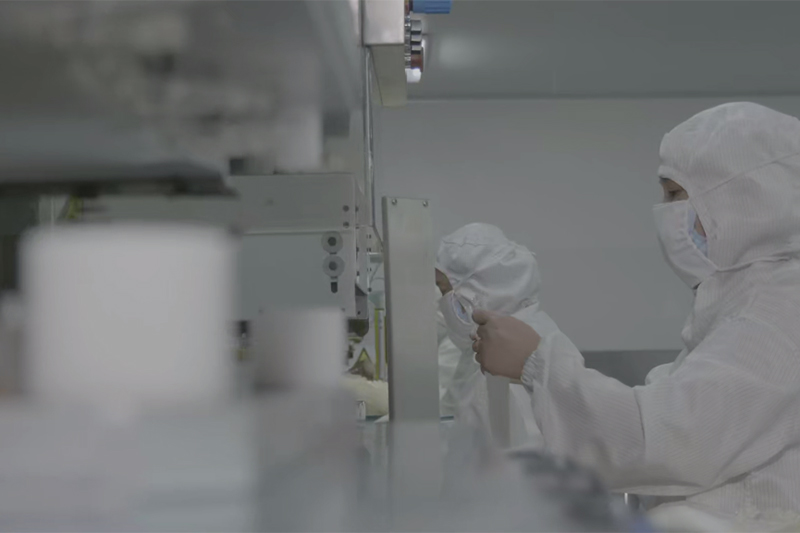
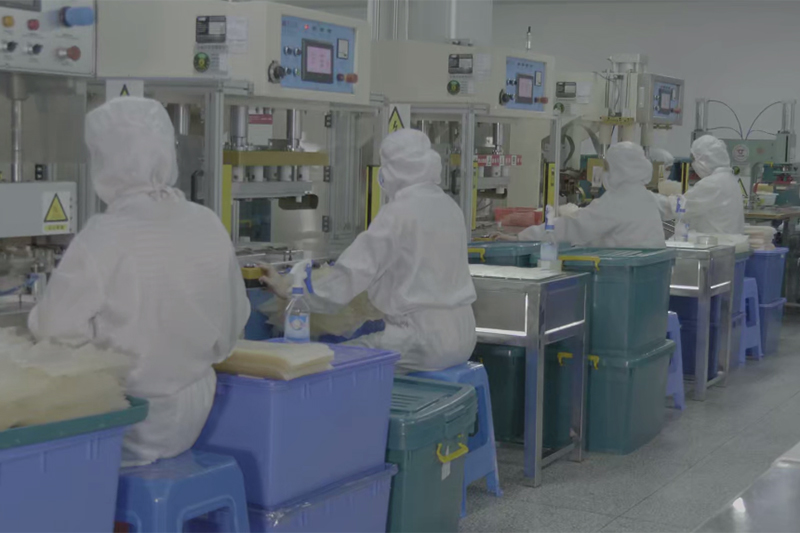
By the end of 2025, Nigale had obtained more than 300 patents, showcasing our commitment to innovation and excellence. We have independently invented numerous products that have significantly advanced the field of blood transfusion. Additionally, Nigale has organized and participated in legislating over 10 national industrial standards. Many of our products have been recognized as national key new products, part of the national torch plan, and included in national innovation programs.
By combining high-durability hardware, vertically integrated manufacturing that optimizes Consumable Kit Cost, and systematic preventative maintenance frameworks, Nigale directly lowers the 5-year Total Cost of Ownership for automated plasma separator installations across global markets.
5. Frequently Asked Procurement Questions (FAQ)
Critical considerations for clinical and financial procurement teams
How does Consumable Kit Cost influence TCO compared to Capital Expenditure?
In an active plasma collection center performing 1,500 to 2,500 procedures per machine annually, the Consumable Kit Cost accounts for 65% to 75% of all lifecycle expenses. A marginal savings of $2.50 per consumable kit creates substantial economic savings over 5 years, far overshadowing small differences in initial Capital Expenditure.
What is the recommended cadence for Preventative Maintenance on plasma separators?
Industry best practices and regulatory quality systems mandate systematic Preventative Maintenance semi-annually (every 6 months) or after every 1,000 apheresis cycles. This involves recalibration of anticoagulant occlusion rollers, optical hematocrit line monitors, scale load cells, and biological barrier seal assessments.
Can reagent rental or placement models lower the Total Cost of Ownership?
Reagent rental agreements replace upfront Capital Expenditure by bundling device deployment into higher per-unit Consumable Kit Cost. While this preserves initial operating capital, facilities with large annual donation volumes generally incur higher TCO over a full 5-year timeframe compared to direct CAPEX acquisition paired with discounted bulk consumables.
What impact does collection procedure duration have on facility Operational Costs?
Procedure duration directly impacts labor economics. High-efficiency automated plasma separators capable of completing a 600ml–800ml apheresis procedure in 35–45 minutes expand collection capacity per chair, dramatically reducing staff costs per liter of harvested plasma and lowering global Operational Costs.
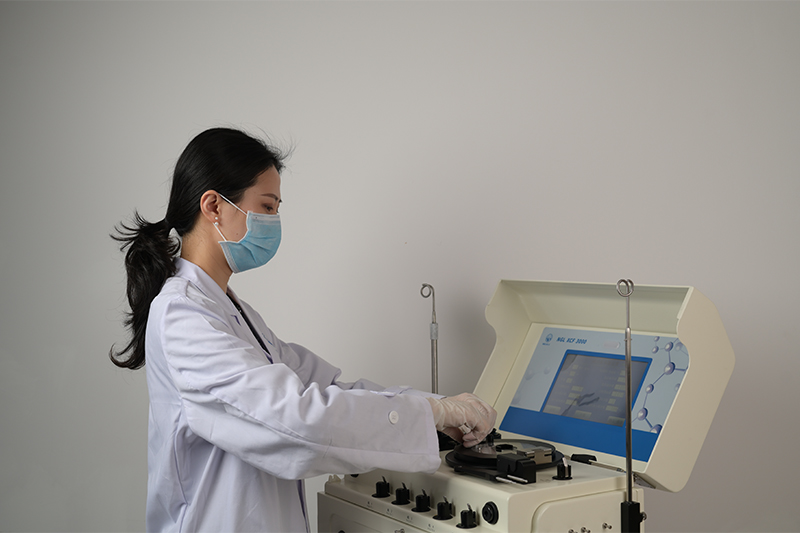
CONTACT US FOR A COMPREHENSIVE TCO MODEL
Nigale continues to lead the blood transfusion industry through innovation, quality, and a steadfast commitment to excellence,
aiming to make a significant impact on global healthcare.